
Introduction to the Memory Wave 📘
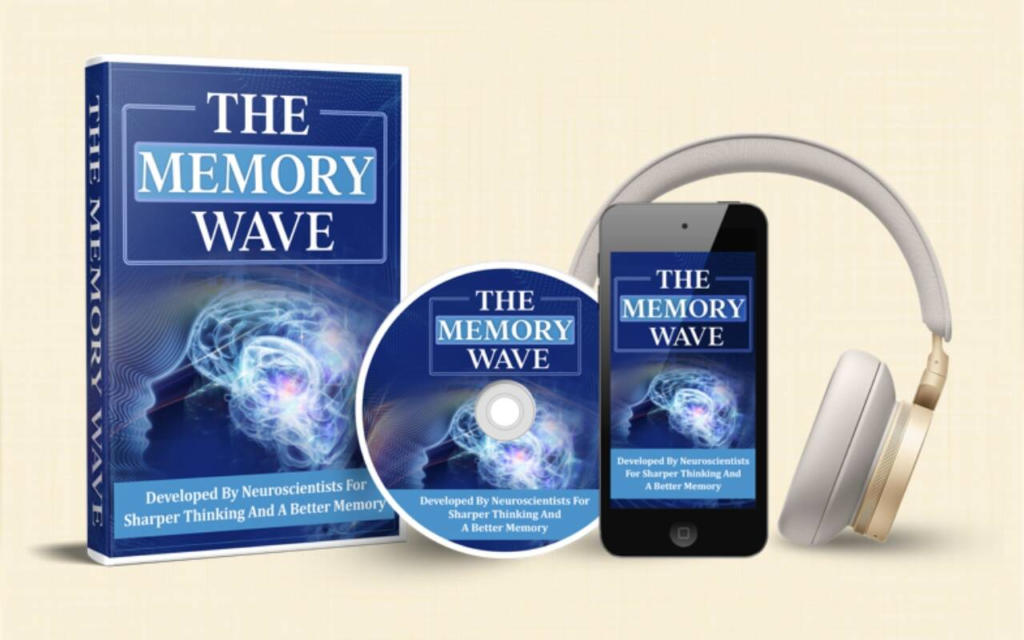
Imagine being able to recall information at just the right moment—whether it’s for an important presentation, a crucial exam, or even remembering names at social gatherings. The Memory Wave of Review is a tool designed to help you do just that. This innovative approach taps into cognitive science principles to enhance your memory retention and retrieval skills.
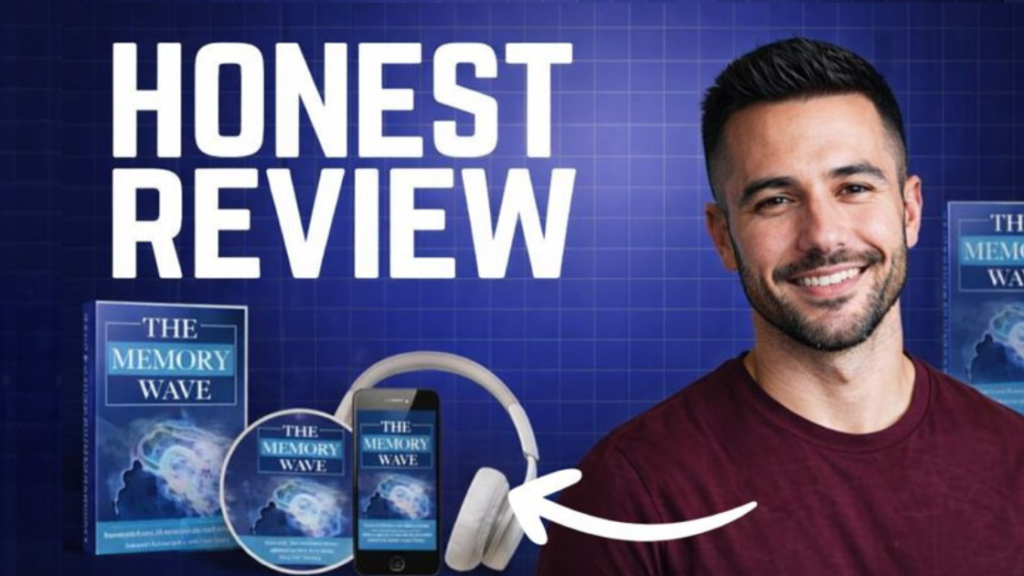
As we dive deeper into what makes this method unique, you’ll discover how it can transform not only your studying habits but also your everyday life. Ready to take charge of your memory? Let’s explore the features and benefits of the Memory Wave !

How Does the Memory Wave Work? 🔄
The Memory Wave of Review operates on a simple yet effective principle: spaced repetition. This method leverages the brain’s natural ability to retain information over time.
When you engage with material, it creates an initial memory trace. The Memory Wave technique emphasizes revisiting this content at strategic intervals. These intervals gradually increase as your familiarity grows.
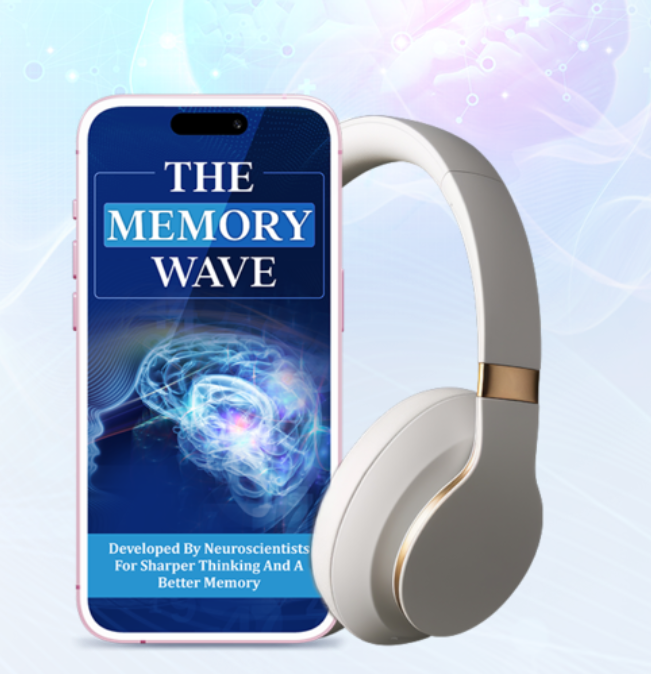

Visualization plays a key role too. By associating concepts with imagery or stories, the process becomes more engaging and memorable.
Additionally, active recall is crucial in this system. Instead of passively reviewing notes, users actively test themselves on what they’ve learned. This not only reinforces memory but also highlights areas that may need further attention.
All these elements together create a dynamic learning experience that enhances retention and understanding without overwhelming the learner.
Benefits of Using the Memory Wave 🎯
Using the Memory Wave of Review offers numerous advantages for learners and professionals alike. One significant benefit is its ability to enhance information retention. This method promotes active recall, which solidifies knowledge in long-term memory.
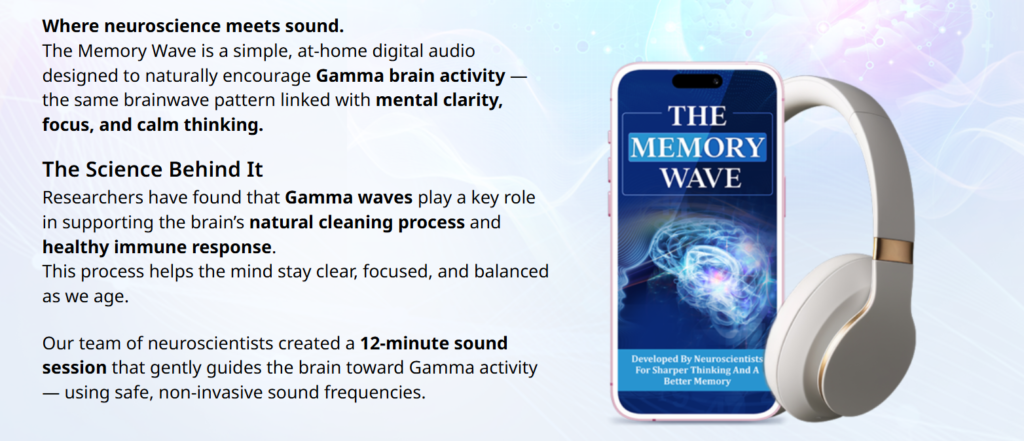
Another key advantage is its adaptability. Whether you’re studying for an exam or trying to remember important details at work, the Memory Wave can be tailored to fit your specific needs. This flexibility makes it suitable for various subjects and contexts.
Additionally, this technique reduces study time by streamlining the review process. Instead of cramming last minute, users can engage with material over spaced intervals, leading to deeper understanding without unnecessary stress.
Adopting the Memory Wave fosters a more enjoyable learning experience. The dynamic nature of this approach keeps motivation high while encouraging exploration and curiosity about topics that matter most to you.
Real-Life Examples and Success Stories 🎓
Many users have transformed their lives with the Memory Wave of Review. Take Sarah, a college student who struggled during finals. After incorporating this technique into her study routine, she noticed a significant boost in retention. Her grades improved dramatically.
Then there’s Mark, a busy professional aiming for a promotion. He found that using the Memory Wave helped him absorb complex information quickly for presentations. His confidence soared as he became more knowledgeable and articulate.
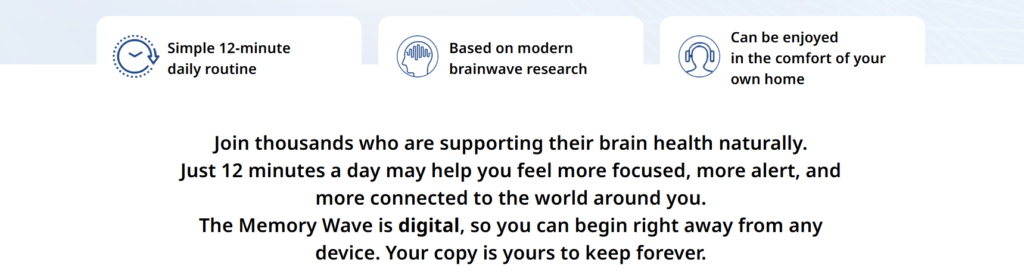

Another inspiring story comes from Linda, an elderly woman wanting to keep her memories sharp. By practicing this method daily, she reported feeling mentally agile and engaged in conversations with family and friends.
These success stories illustrate how versatile the Memory Wave can be across different age groups and professions. Users not only enhance their memory but also enrich their personal and professional lives through newfound skills.
Tips for Maximizing the Effectiveness of the Memory Wave 🛠️
To get the most from the Memory Wave of Review, consistency is key. Set aside dedicated time each week to engage with your material. Regular practice helps reinforce learning.
Mix up your study techniques. Incorporate visual aids, such as charts or diagrams, alongside verbal reviews. This multisensory approach can deepen understanding and retention.
Stay organized. Keep notes tidy and categorized by topic or subject matter. An orderly system makes it easier to locate information when you need it.
Engage actively with the content. Instead of passively reading through notes, ask questions or create quiz cards for self-testing. This active participation boosts memory recall.
Consider group studies or discussions with peers. Sharing insights encourages collaboration and enhances comprehension through different perspectives.
Alternatives to the Memory Wave ⏳
While the Memory Wave of Review offers a unique approach to memory enhancement, several alternatives can also help improve retention and recall.
One popular method is spaced repetition, which involves reviewing information at increasing intervals. This technique leverages our brain’s natural forgetting curve, making it effective for long-term memorization.
Another option is mind mapping. This visual strategy enables learners to create connections between concepts, fostering deeper understanding and recall. By organizing thoughts visually, users often find it easier to remember complex information.
Mnemonics are another classic alternative that utilizes patterns or acronyms as memory aids. These tools simplify data into memorable chunks, enhancing cognitive recall during study sessions.
Embrace active learning techniques such as teaching others or engaging in discussions about the material. Sharing knowledge reinforces your understanding while strengthening memory pathways through interaction and dialogue.
Conclusion 🏁
The Memory Wave of Review stands out as a powerful tool for anyone looking to enhance their memory retention. Its unique approach harnesses cognitive science principles that make learning more effective.
By integrating structured review techniques, it encourages active engagement with the material. This not only aids in memorization but also enhances understanding.


Users have reported significant improvements in recall and comprehension. The flexibility of this method makes it suitable for various learning styles and environments.
With some practice, individuals can easily incorporate the Memory Wave into their study routines. Many find it transforms how they interact with information.
Embracing new strategies like this can lead to lasting effects on academic performance or professional growth. It’s worth exploring if you seek to elevate your memory skills further.
FAQs ❓
- What is the Memory Wave?
The Memory Wave of Review is a structured method designed to enhance memory retention by revisiting information at spaced intervals. This technique leverages the psychological spacing effect, which helps reinforce knowledge over time. - How does it differ from traditional study methods?
Unlike cramming or repetitive studying, which can lead to burnout and decreased retention, the Memory Wave approach promotes longer-lasting recall through strategic review sessions. It focuses on gradually increasing time intervals between reviews for optimal reinforcement. - Can anyone use the Memory Wave effectively?
Absolutely! Whether you’re a student preparing for exams, a professional looking to retain new skills, or simply someone wanting to improve their memory, this method can be tailored to fit various learning styles and schedules. - Are there specific tools available for implementing the Memory Wave?
Yes! There are several apps and platforms that incorporate this technique into their design. These tools help schedule your reviews while tracking progress and adjusting based on your performance. - Is it backed by research?
Yes, numerous studies in cognitive psychology support the effectiveness of spaced repetition techniques like those used in the Memory Wave of Review. Research shows significant improvements in long-term retention when using this strategy compared to more conventional methods. - How quickly can I expect results with this method?
Results vary among individuals; however, many people report noticeable improvements within weeks as they consistently apply the methodology. Regular engagement with material leads to better recall over time. - What subjects benefit most from using this technique?
The versatility of the Memory Wave makes it effective across disciplines—from languages and sciences to history and arts. Any subject matter where memorization plays a key role can see benefits from employing these strategies.